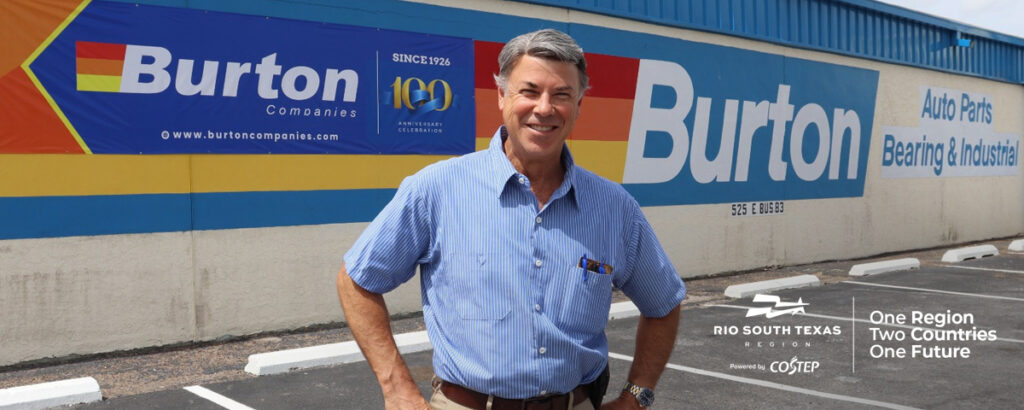
A Century of Growth: Burton Companies and the Evolution of the Rio South Texas Region
July 29, 2026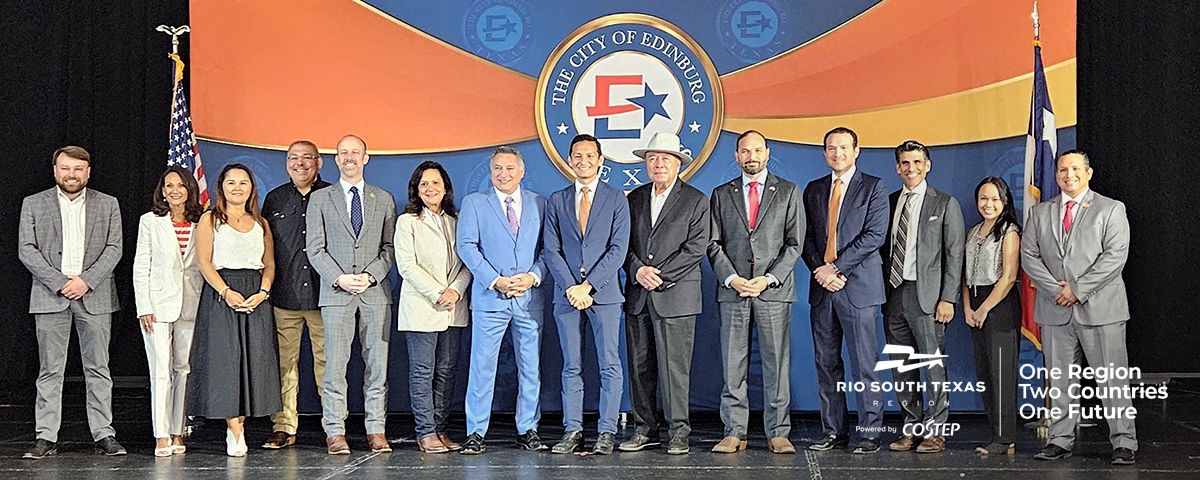
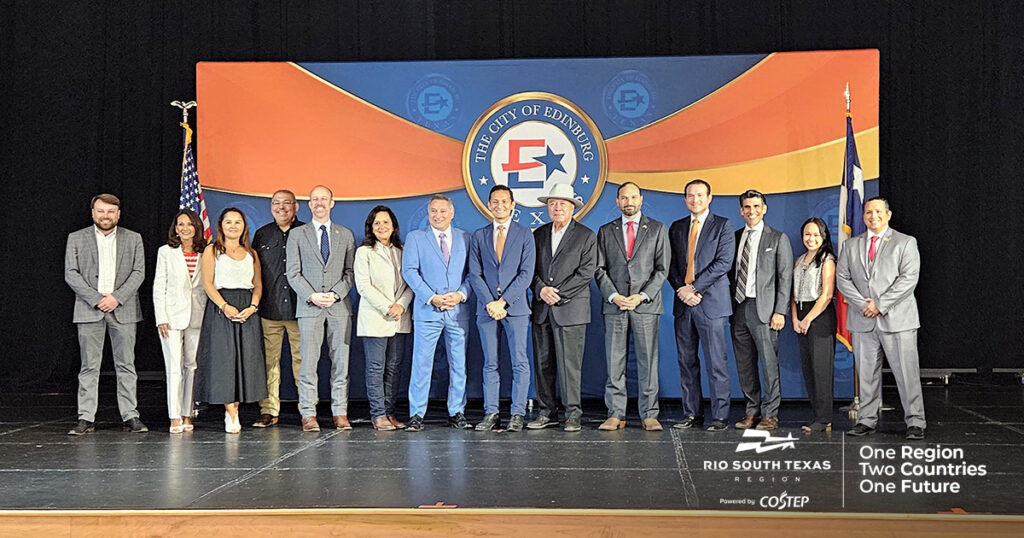
During the quarterly meeting of the South Texas Alliance of Cities (STAC), held in Edinburg, mayors and representatives from Brownsville, McAllen, Mission, and Edinburg met with members of the Texas Legislature to define regional priorities and strengthen collaboration with state and federal governments.
The agenda addressed several issues that will be essential to the region’s long-term competitiveness:
- Water supply and resource management
- Electrical capacity
- Infrastructure and transportation
- Economic development
- Workforce readiness
- Public safety
- Higher education
- Border-related issues
Water and Energy: Building the Foundation for Growth
Access to reliable water and electricity is becoming one of the most important factors in attracting and securing new investment.
McAllen Mayor Javier Villalobos emphasized the value of sharing experiences and solutions among cities facing similar challenges. When one community has already found an effective way to address a problem, others can benefit from that knowledge and accelerate their own response.
Although McAllen is not currently experiencing electrical capacity constraints, continued industrial growth could significantly increase demand in the coming years. That is why the city is already working with electric utilities to anticipate infrastructure needs and prepare for future projects.
This kind of planning is critical. Regional competitiveness is not only about attracting investment. It is also about ensuring that companies have the resources, services, and infrastructure they need to operate, expand, and remain in South Texas.
One Region, One Stronger Voice
Brownsville Mayor John Cowen Jr. highlighted another important benefit of regional cooperation: a stronger ability to secure funding for strategic projects.
When cities present their shared priorities to state and federal leaders, their collective voice carries greater weight. This coordination can help unlock funding to expand drinking water systems, modernize treatment facilities, develop new water sources, strengthen the power grid, and advance regional mobility projects.
Collaboration with organizations such as the region’s Metropolitan Planning Organization, or MPO, will also be essential to improving connectivity among communities and ensuring that transportation infrastructure keeps pace with economic growth.
Investments That Are Transforming the Region
South Texas is already beginning to experience the impact of major investments in sectors such as aerospace, energy, and naval construction for defense.
Beyond generating economic activity, these projects are positioning the region as a strategic destination for new private investment while creating opportunities to secure additional public funding.
The challenge now is to transform this momentum into sustainable prosperity. Doing so will require cities to align infrastructure development with workforce training, higher education, and the evolving needs of new industries.
Working Together to Compete and Grow
The message from the STAC meeting was clear: No city can address South Texas’ growth challenges alone.
Water, energy, mobility, education, and workforce development are all part of the same economic ecosystem. Addressing them through a coordinated regional agenda will help communities anticipate future needs, attract higher-value investments, and strengthen competitiveness across South Texas.
The region is at a defining moment. Seizing this opportunity will require long-term vision, careful planning, and, above all, collaboration.
At RSTR, we believe sustainable growth begins by connecting infrastructure, investment, and talent through a shared regional vision.