Rio South Texas’ Economic Future Depends on a Shared Regional Vision
August 3, 2026
RSTEF Invests More Than $2.2 Million to Strengthen the Rio South Texas Workforce
August 12, 2026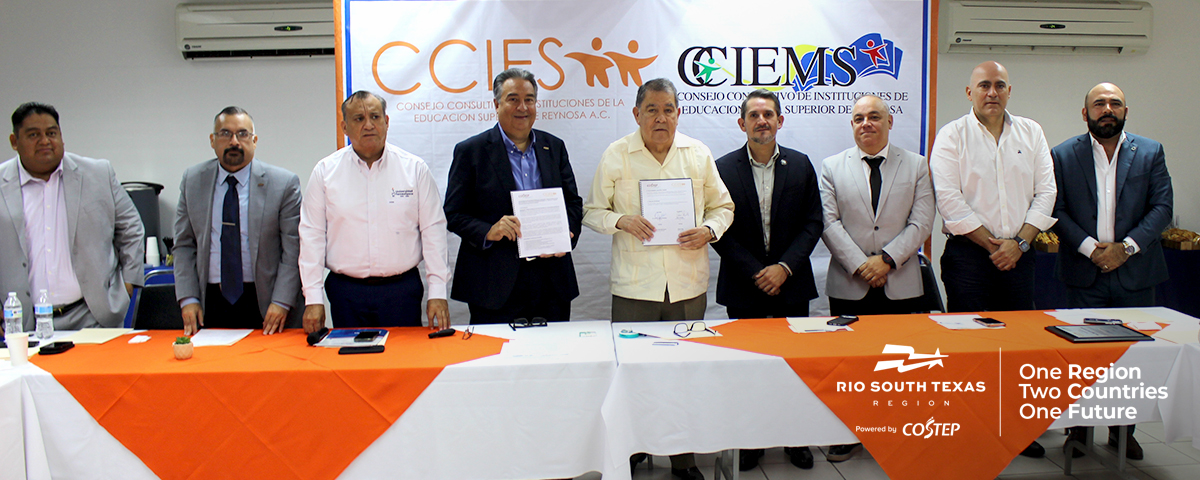
The agreement will connect the capabilities of universities in Tamaulipas and Texas with industry needs, supporting investment attraction, innovation and specialized workforce development.
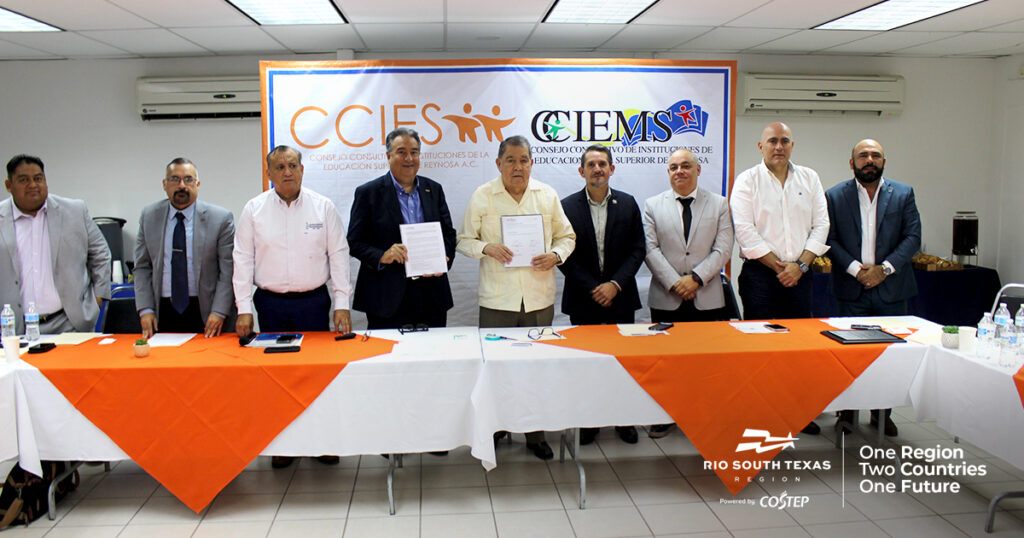
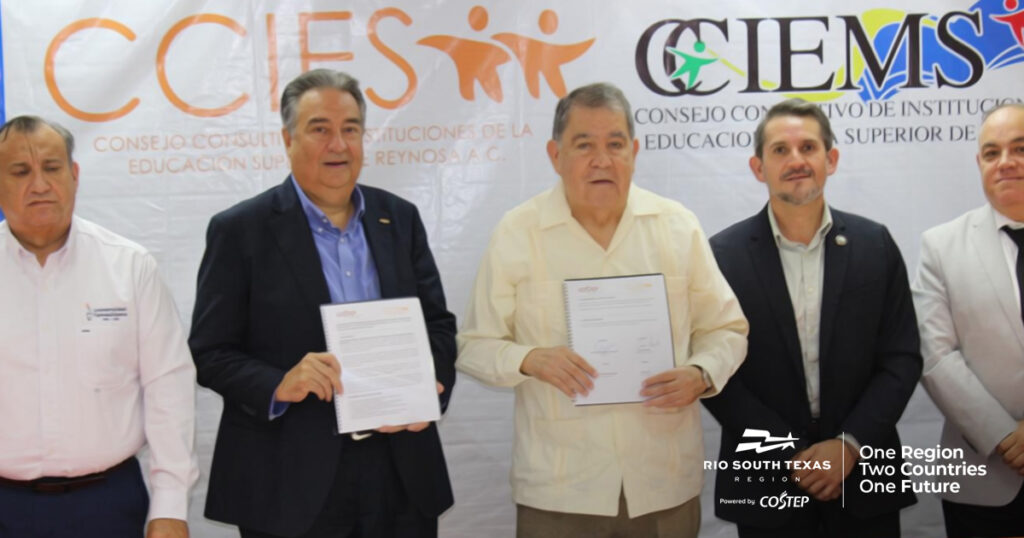
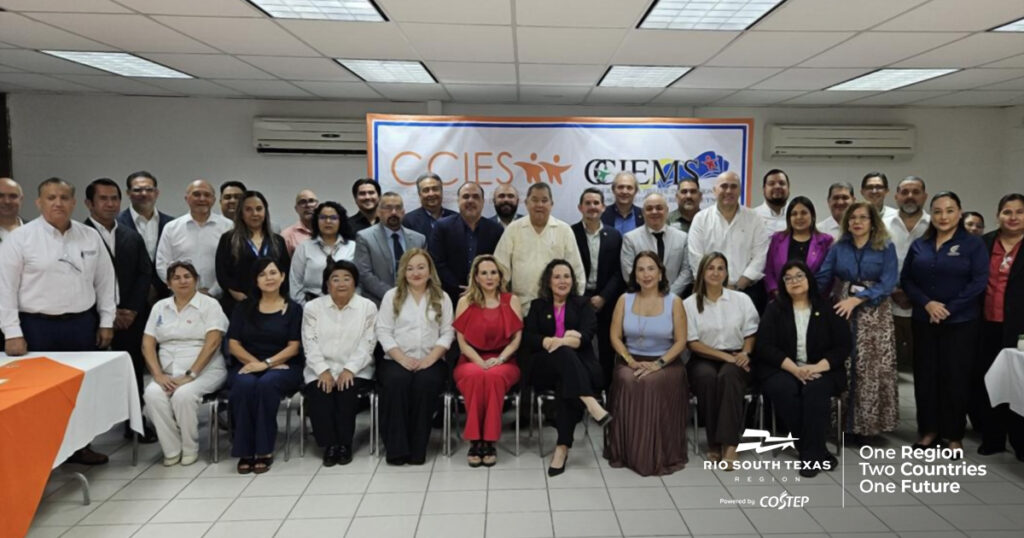
The Council for South Texas Economic Progress (COSTEP) and the Reynosa Council of Higher Education Institutions (CCIES) signed a Memorandum of Understanding (MOU) to advance a binational strategy that aligns workforce development with the needs of industry.
The agreement marks a new milestone for the Binational Higher Education Advisory Council (BIHAC), an initiative led by COSTEP to bring together the academic offerings, infrastructure and capabilities of higher education institutions across South Texas and northern Tamaulipas.
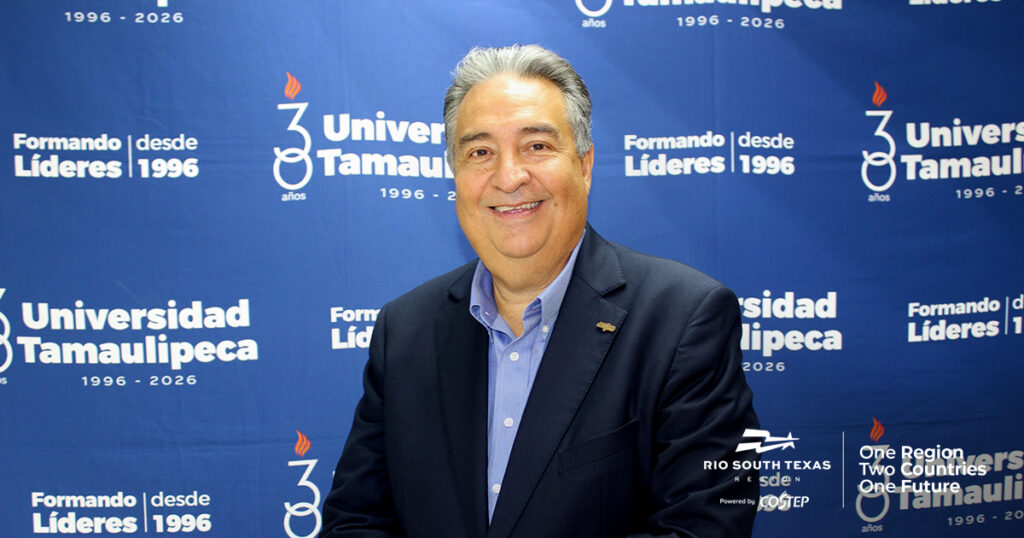
During the project presentation, COSTEP CEO Adam González explained that the organization began working several months ago to identify, organize and showcase the educational capabilities available on both sides of the border.
The initiative currently includes information from 24 higher education institutions: 13 in northern Tamaulipas and 11 in South Texas.
“Our intention is to identify, organize and showcase the educational capabilities of our binational region. The more institutions participate, the greater our potential to promote the region among international investors,” González said.
Building a Regional Intelligence Tool
A key objective of the agreement is to incorporate the universities represented by CCIES, expanding the educational database and transforming it into a regional intelligence tool that supports decision-making by companies and economic development organizations.
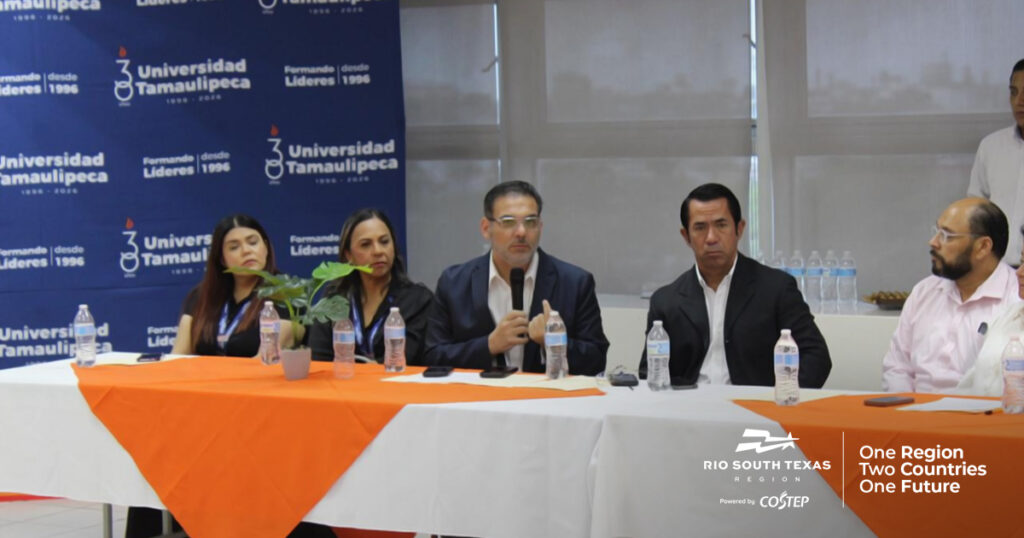
The MOU was signed during a regular CCIES session attended by representatives of its 21 member universities, as well as industrial and business leaders from across the border region.
Attendees included Humberto Martínez, president of the National INDEX Council; Sergio Treviño, president of the Tamaulipas Electrical and Electronics Cluster; Walter Rico, treasurer of the same organization; Sergio Gracia, president of Mexico Industry; and Rafael Tapia, RSTEF grants manager.
Preparing Talent for Industry Needs
The project grew out of a need identified during international economic development missions led by COSTEP. Before moving forward with an investment, foreign companies evaluate whether a region has enough specialized talent and the capacity to train the workforce they will require.
“Many people think companies arrive looking for land or highways. Those things are important, but the first questions they ask are where their workforce will come from and whether there is enough capacity to train the talent they need,” González explained.
Through BIHAC, the system will bring together information about academic programs, laboratories, research centers, certifications, infrastructure and institutional capabilities on both sides of the border.
This will make it possible to quickly identify which institutions are preparing talent for specific industries and uncover opportunities for collaboration between universities and employers.
Dr. Oscar Aguilera, president of CCIES, emphasized that education is fundamental to the development of both cities and young people.
“Many companies are relocating precisely to this region. We have the automotive industry, but we also have an aerospace industry developing in Brownsville. We must conduct research that responds to industry needs, and we must be extremely well prepared,” Aguilera said.
New Academic Programs Driven by Nearshoring
A lack of coordination between academic programs and fast-growing economic sectors can prevent graduates from finding career opportunities that align with their education.
To address this challenge, the initiative proposes working with industrial clusters to develop specialized training programs, dual-education opportunities, student mobility and updated curricula.
The first pilot project will be developed with the Tamaulipas Electrical and Electronics Cluster as part of a strategy to prepare the talent required by new investments linked to nearshoring.
The agreement also opens the door for more public and private universities from northern Tamaulipas and South Texas to join the initiative. In the medium term, the partners will seek to facilitate student mobility, academic credit recognition and collaboration in applied research.
The long-term vision is to establish a binational education and innovation ecosystem that strengthens the competitiveness of the industrial corridor between Tamaulipas and Texas.
Through this collaboration, the region will be able to demonstrate to potential investors that it offers not only logistics infrastructure and a strategic location, but also universities, research centers and a growing capacity to develop the human capital required by the industries of the future.