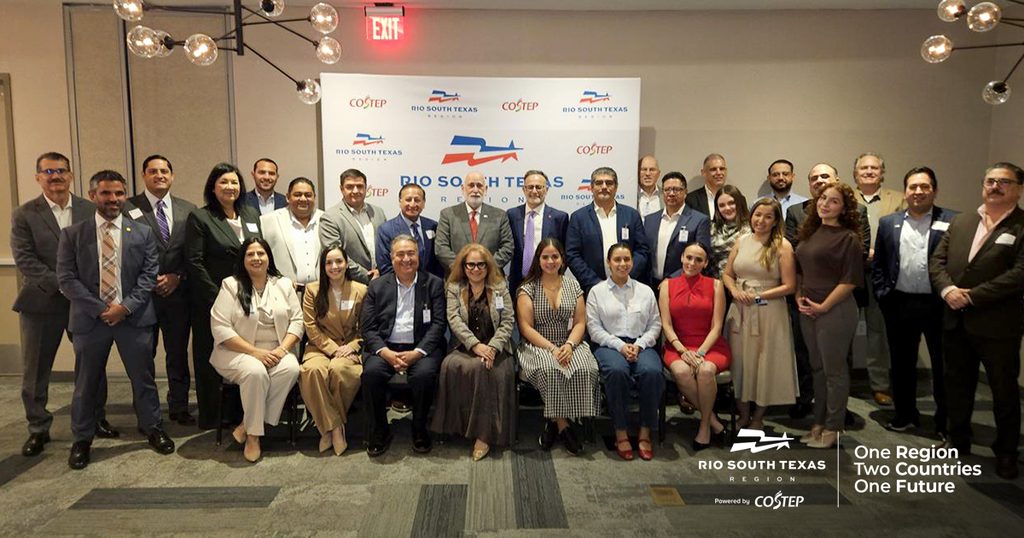
Weslaco Strengthens the Rio South Texas Region as a Strategic Manufacturing and Logistics Hub
July 20, 2026
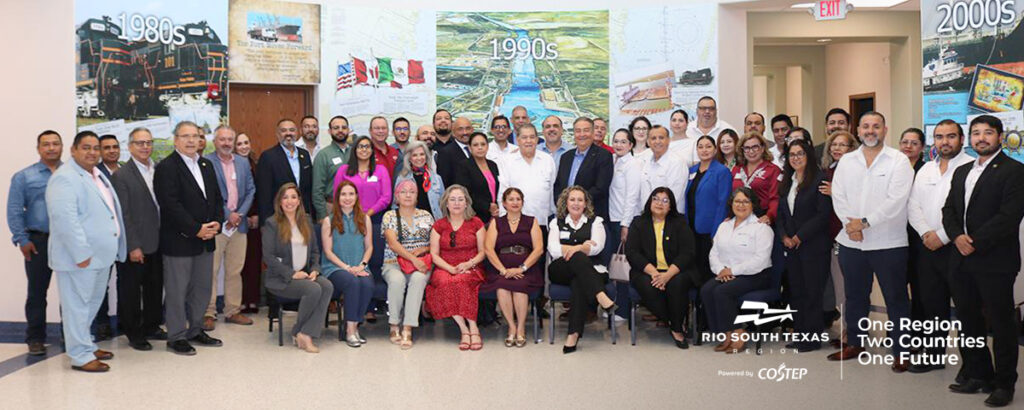
A Century of Growth: Burton Companies and the Evolution of the Rio South Texas Region
July 29, 2026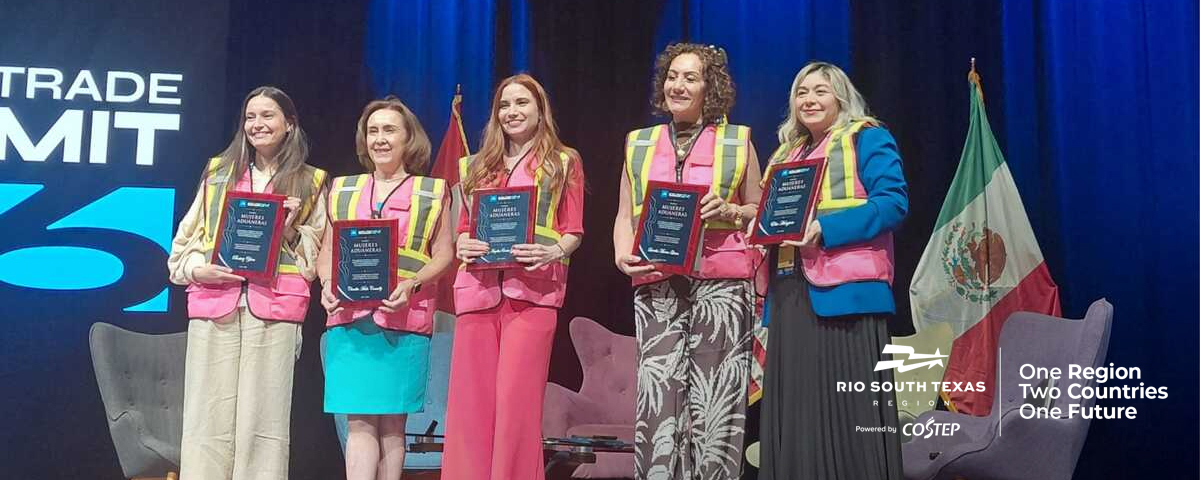
As North American trade continues to evolve, one message is becoming increasingly clear: the future of cross-border commerce will be shaped not only by infrastructure and investment, but by the people leading innovation, collaboration, and strategic decision-making.
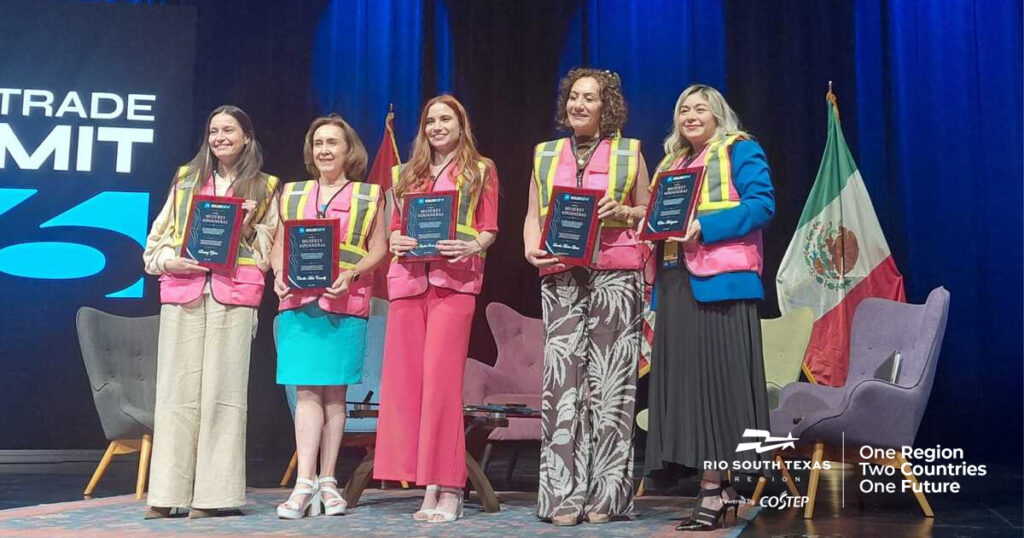
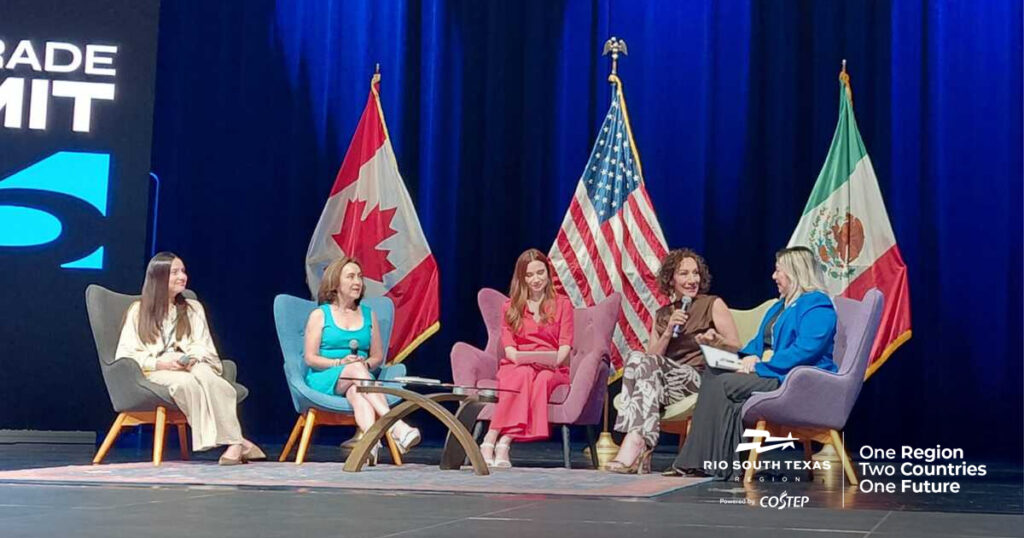
During the “Women in Customs: Women Shaping the Future of Trade, Logistics and Customs” panel at the Global Trade Summit, four distinguished leaders shared their perspectives on the challenges and opportunities transforming international trade between Mexico and the United States.
Moderated by Graciela Salazar, the discussion featured:
- Daniela Silva, Commercial Director, APM Terminals Mexico
- Claudia Ávila Connelly, Trade Policy Specialist and former Director General of International Affairs at Mexico’s National Customs Agency (ANAM)
- Lourdes Quinn, Partner at Arias Quinn and Foreign Trade Specialist
- Elsa Hinojosa, Director of the City of Laredo Bridge System
Together, they highlighted how technology, regulatory coordination, workforce development, and supply chain transparency are becoming essential pillars of regional competitiveness.
Beyond Infrastructure: Building a Smarter Border
Elsa Hinojosa emphasized that expanding physical infrastructure alone is no longer enough.
According to Hinojosa, both sides of the border must modernize simultaneously, investing in compatible technologies and stronger institutional coordination to reduce delays and improve operational efficiency at ports of entry.
Her message reinforces a growing reality across the Rio South Texas Region: infrastructure investments deliver their greatest value when accompanied by digital modernization and binational collaboration.
Trade Competitiveness Is Global
Claudia Ávila Connelly reminded attendees that Mexico and the United States are no longer competing against one another. Instead, North America is competing with rapidly advancing regions such as Asia and Africa.
She stressed that maintaining this competitive advantage requires stronger trade facilitation, institutional coordination, and better use of data to support decision-making.
Technology, she noted, only becomes valuable when skilled professionals know how to interpret information and transform it into more efficient trade operations.
Traceability Is Becoming a Competitive Requirement
Lourdes Quinn addressed one of the most significant shifts affecting international commerce: the growing importance of supply chain traceability.
As tariffs, compliance requirements, and geopolitical risks continue to evolve, companies must now demonstrate complete visibility across their supply chains—not simply customs compliance.
Organizations equipped with robust traceability systems will be better positioned to meet regulatory expectations while maximizing the opportunities created by nearshoring.
Technology Requires Talent
From the port operations perspective, Daniela Silva emphasized that automation alone cannot transform logistics.
The greatest competitive advantage comes from preparing people to effectively use new technologies, improving service quality while strengthening operational performance across ports and logistics networks.
A Shared Vision for the Future
The discussion concluded with a shared vision: the next chapter of U.S.–Mexico trade will be defined by intelligent infrastructure, digital connectivity, transparent supply chains, and highly skilled human capital.
For the Rio South Texas Region, these priorities align directly with the region’s role as one of North America’s most important trade gateways, where innovation, collaboration, and cross-border partnerships continue to strengthen the competitiveness of the entire region.
Discover how the Rio South Texas Region is helping shape the future of North American trade through world-class infrastructure, strategic partnerships, and a globally connected business ecosystem. Visit riosouthtexasregion.com to learn more.